
THEATERS
BEAUTIFUL ROOMS ARE RARELY KIND ROOMS.
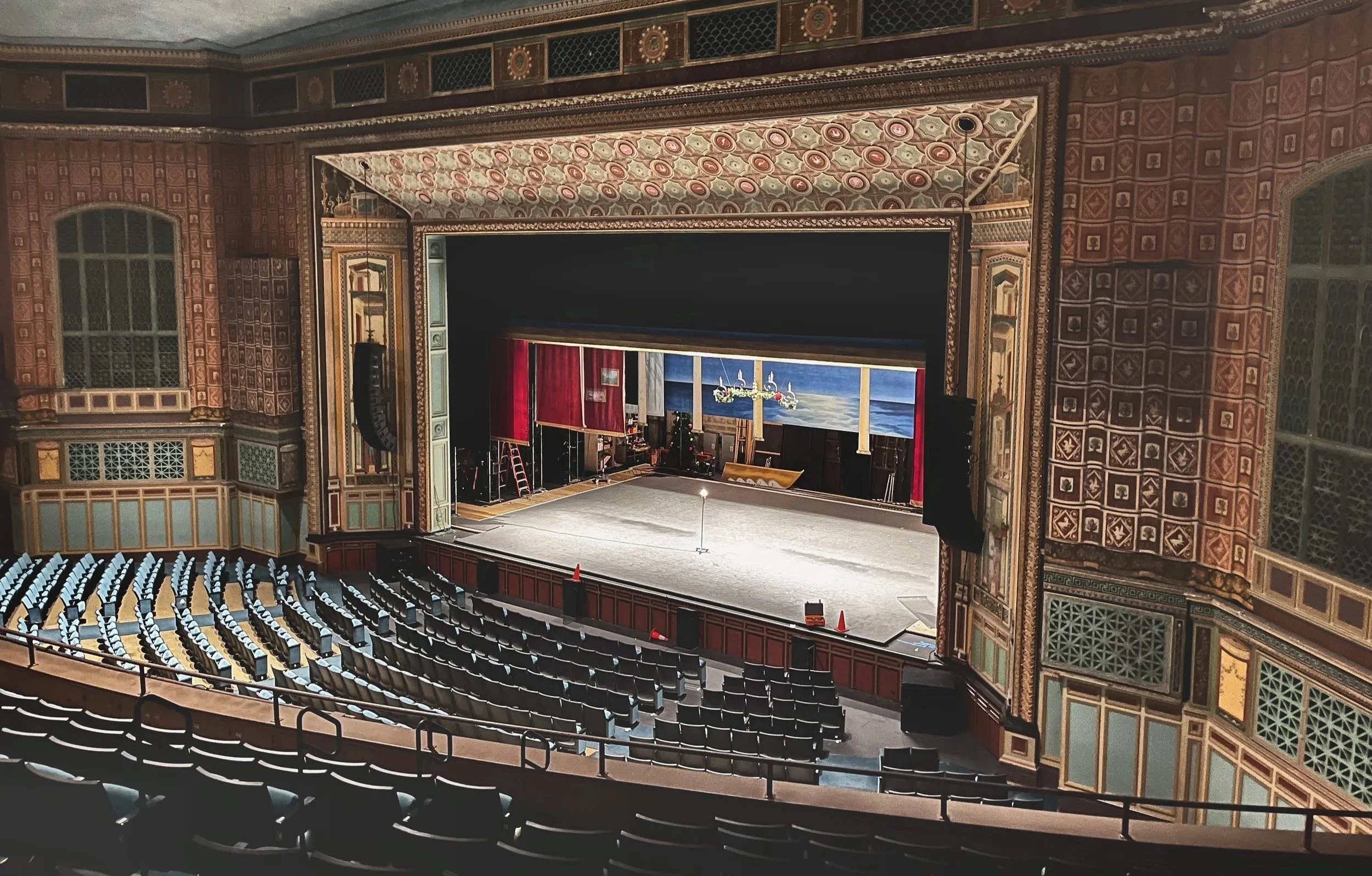
Historic houses, performing arts centers, and sanctuaries across Southern California. Hard plaster, long reverb tails, protected sightlines, and almost nowhere to hang anything. We've been solving these rooms since 1972 — as a rental partner, a house system integrator, or both.
50+
YEARS IN LIVE AUDIO
Theaters served
LOS ANGELES TO SAN DIEGO
Yours + ours
WE WORK WITH YOUR INSTALLED SYSTEM
Owned
INVENTORY IN SANTA ANA
The architecture is the constraint.
SYSTEMS BY HOUSE
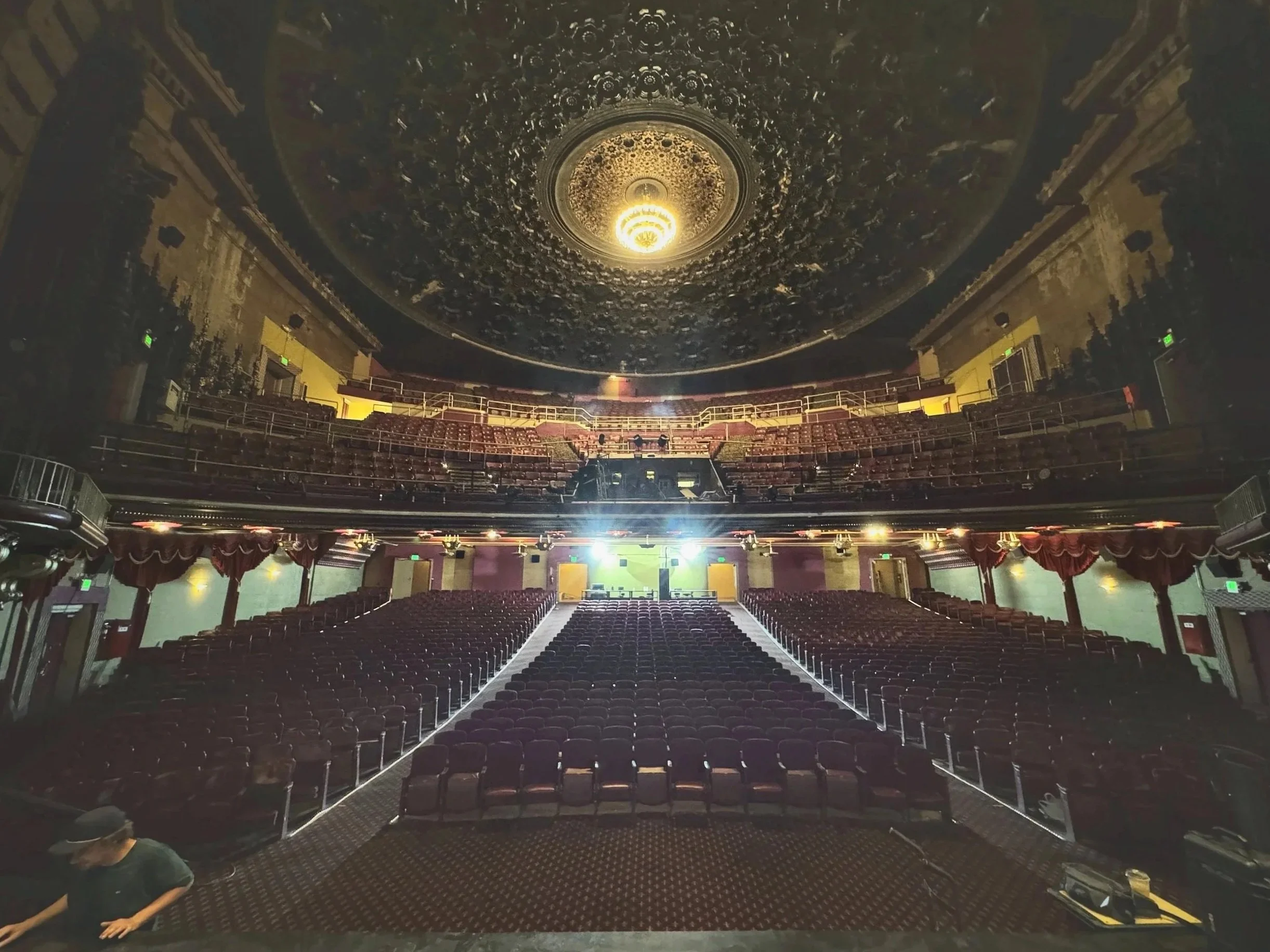
In a theater you can't simply put the boxes where the coverage wants them. There's a mural behind that wall, no steel above that plaster, and a board that will notice if a hang crosses the proscenium. Design starts with what the room will allow.
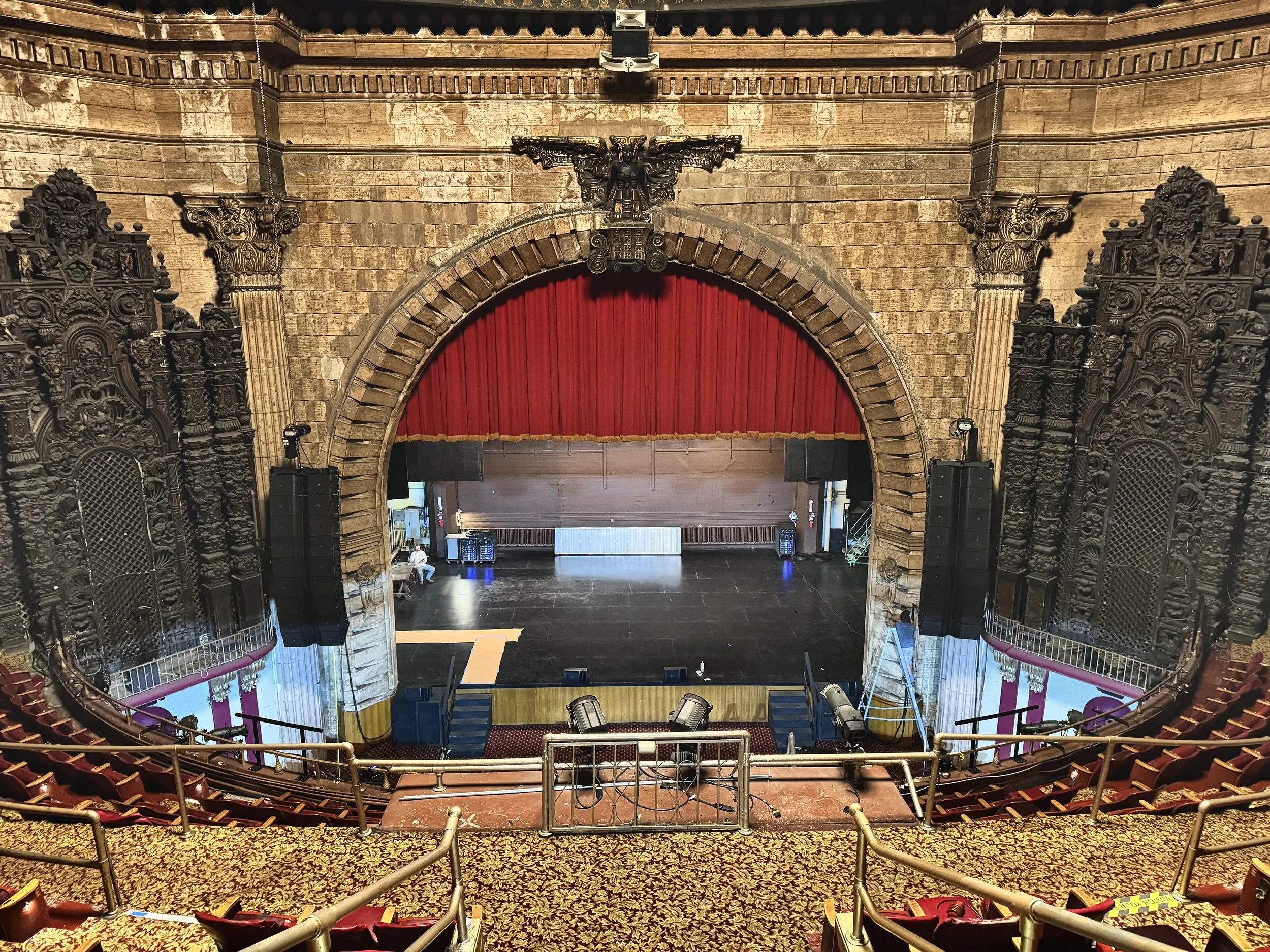
Ornamental plaster, limited rigging points, and sightlines that can't be compromised. Compact hangs placed where they disappear and still cover the balcony.
Proscenium houses
Sightline-sensitive rigging · Point & load review · Balcony coverage
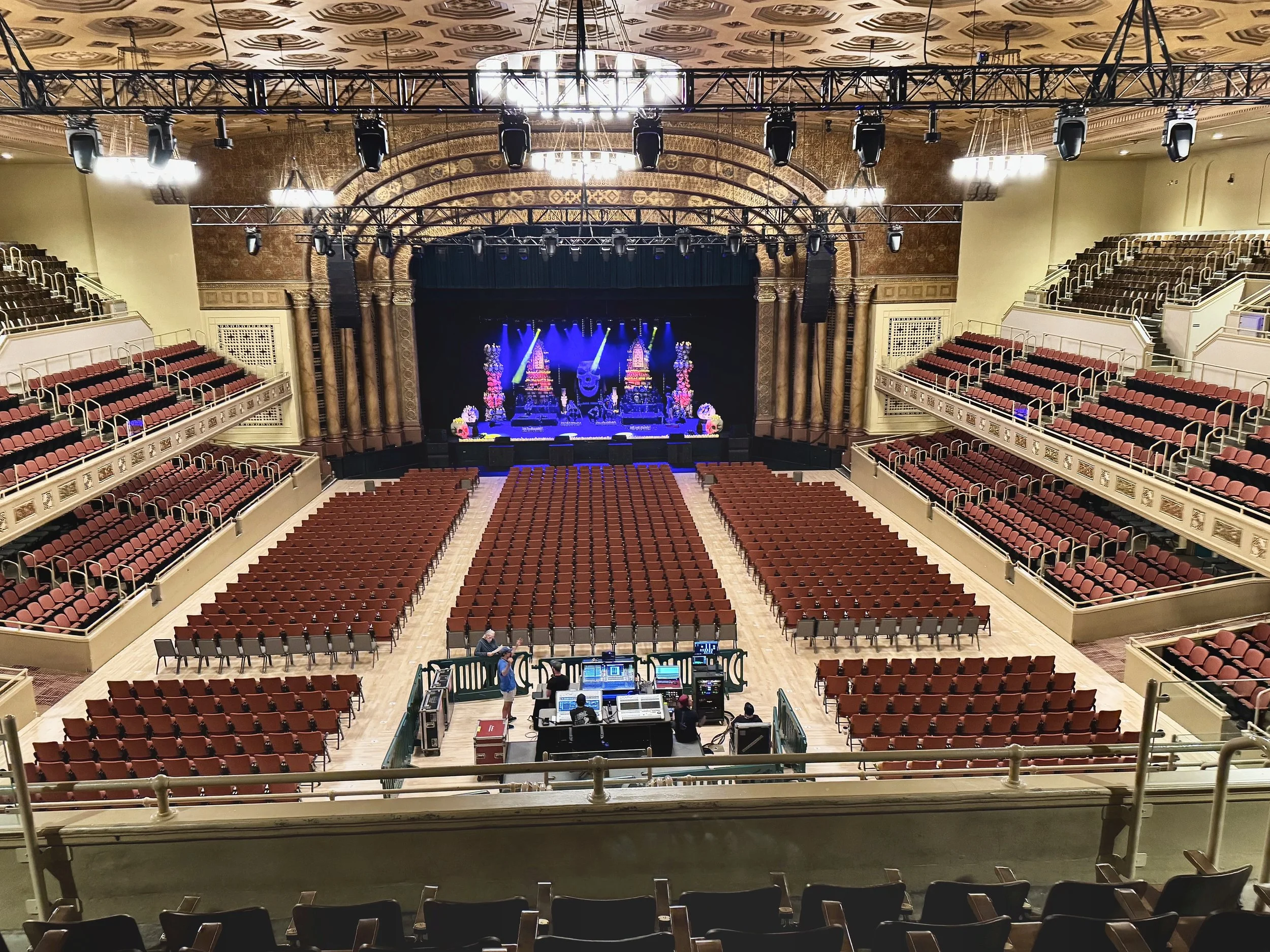
Rooms that host a lecture Tuesday and a dance recital Saturday. Systems that reconfigure quickly and sound right for both without a re-tune every time.
Multi-purpose theaters
Recallable presets · Fast reconfigure · Speech & program modes
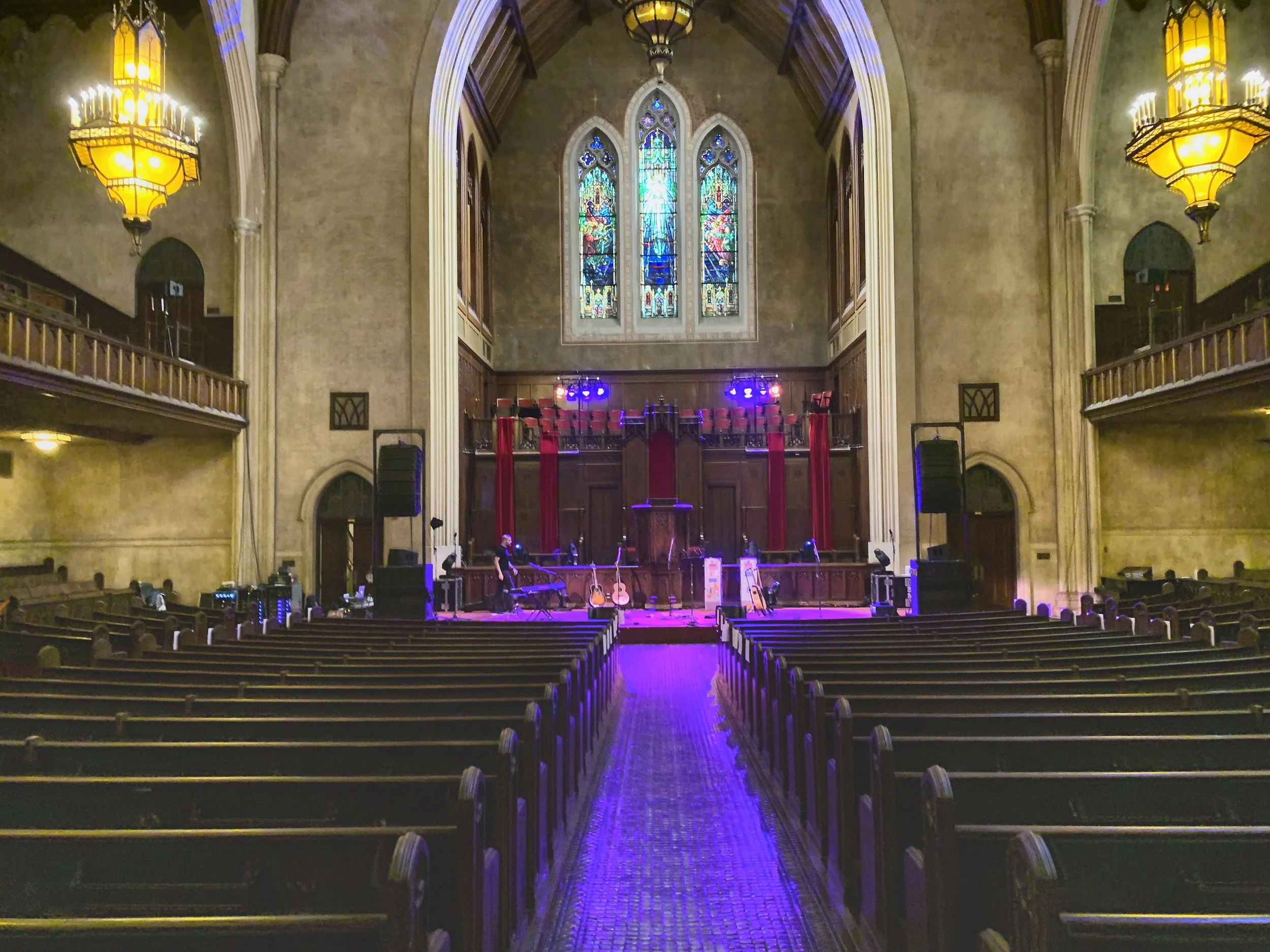
Sanctuaries
Stone, glass, and vaulted ceilings built to sustain an organ — which is exactly what makes the spoken word disappear. Directional coverage that favors the pews, not the walls.
Directional control · Reverb management · Discreet placement
Musicals & orchestras
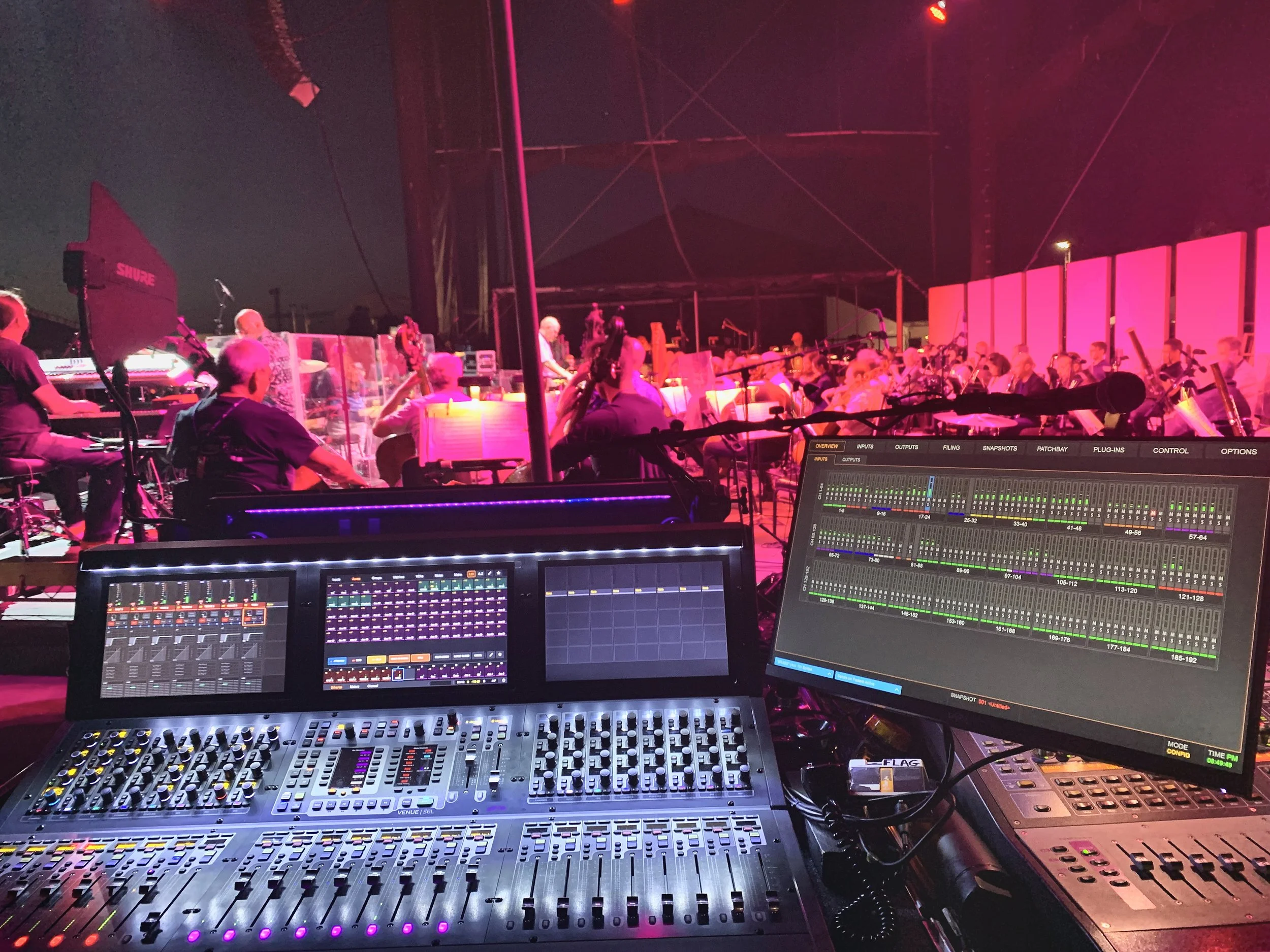
Large cast wireless counts, a pit to capture, and a book that changes nightly. Channel counts and console time that a one-nighter rig can't absorb.
Cast wireless · Pit micing · Snapshot-per-cue mixing
WHAT SHIPS TO YOUR HOUSE
From the first cue to the curtain call.
This is the standard theater build. Musicals, residencies, and multi-week runs scale from here — and anything your production needs beyond this list gets priced before we load the truck, never after closing night.
Renting for a run, or fixing the house rig for good? We do both. If your permanent system is fighting the room, we'll tell you whether a rental solves your season or whether it's time to talk about a purchase.
Working with your house crew. We come in knowing whose room it is. Our techs work alongside your staff and local crew rather than around them — and we leave the house rig the way we found it.
What the show actually looks like.
LOAD-IN TO CURTAIN
01 / Survey
The room first
Points, loads, sightlines, and house rig reviewed with your technical director. You get a coverage plan and a written scope before anything ships.
02 / Load-in
Through the alley door
Trucking and load-in planned around the dock you actually have. Hung and cabled alongside your house crew to the schedule you set.
03 / Tune
Measured for speech
System tuned with measurement and set for intelligibility in a live room, RF coordinated, balcony delays timed before anyone walks on stage.
04 / Tech & run
Through the whole book
Snapshots built cue by cue during tech, then a tech at the desk for the run — matinees and evening shows alike.
05 / Out
House left as found
Struck to the venue's schedule, house rig restored and re-patched, and a straight answer if anything went sideways.
THE PEOPLE
A festival engineer rides a mix. A theater engineer follows a script — dozens of cues, cast members handing off lines, a pit that shifts under them. It takes someone who reads the book, not just the meters.
- Engineers who mix from a script and build snapshots cue by cue
- Comfortable working alongside house crew and local labor
- Rigging experience in historic houses with limited points
- One point of contact from survey through strike
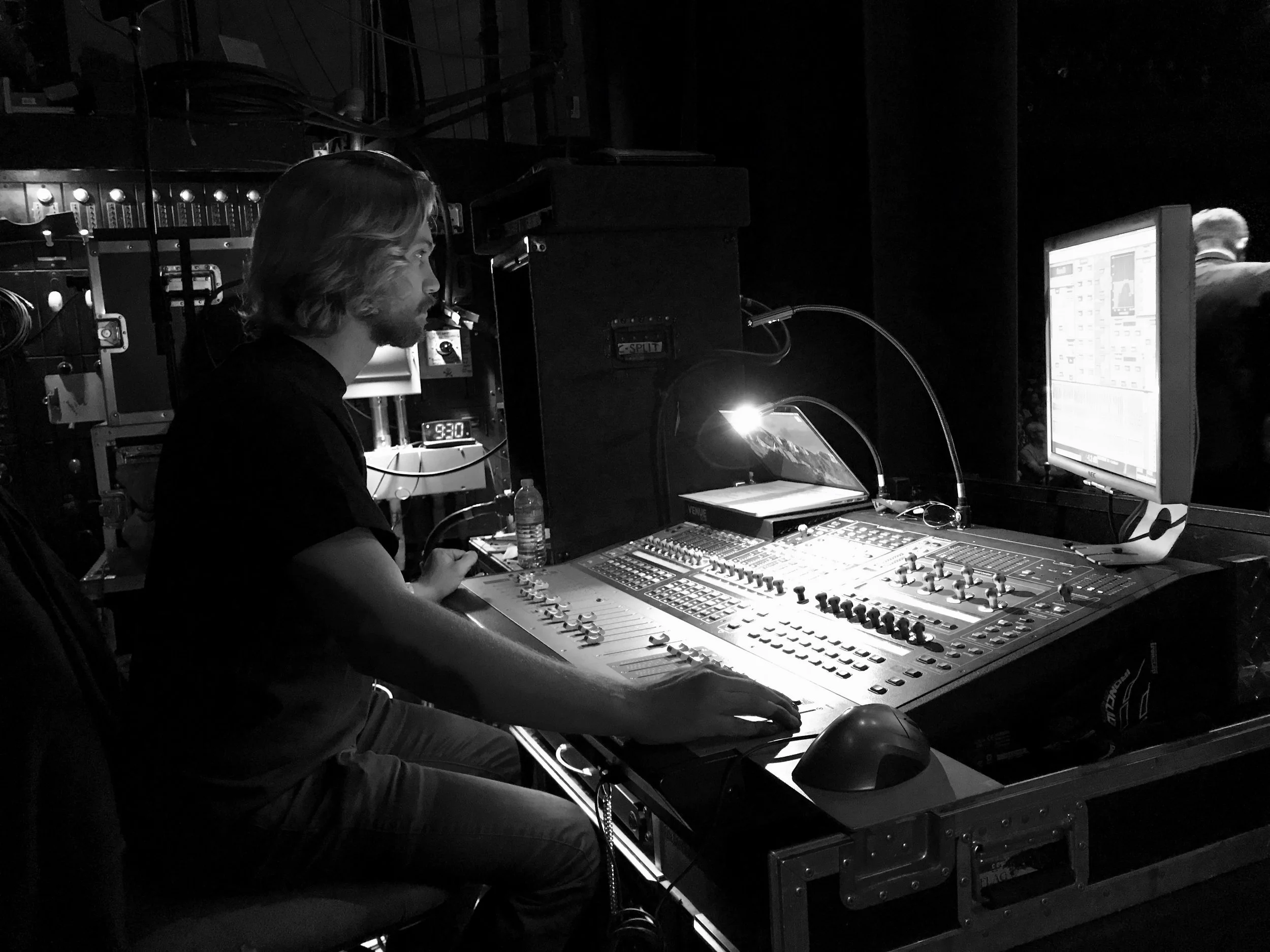
Theater mixing is a different skill, and we staff it that way.
NEXT STEP
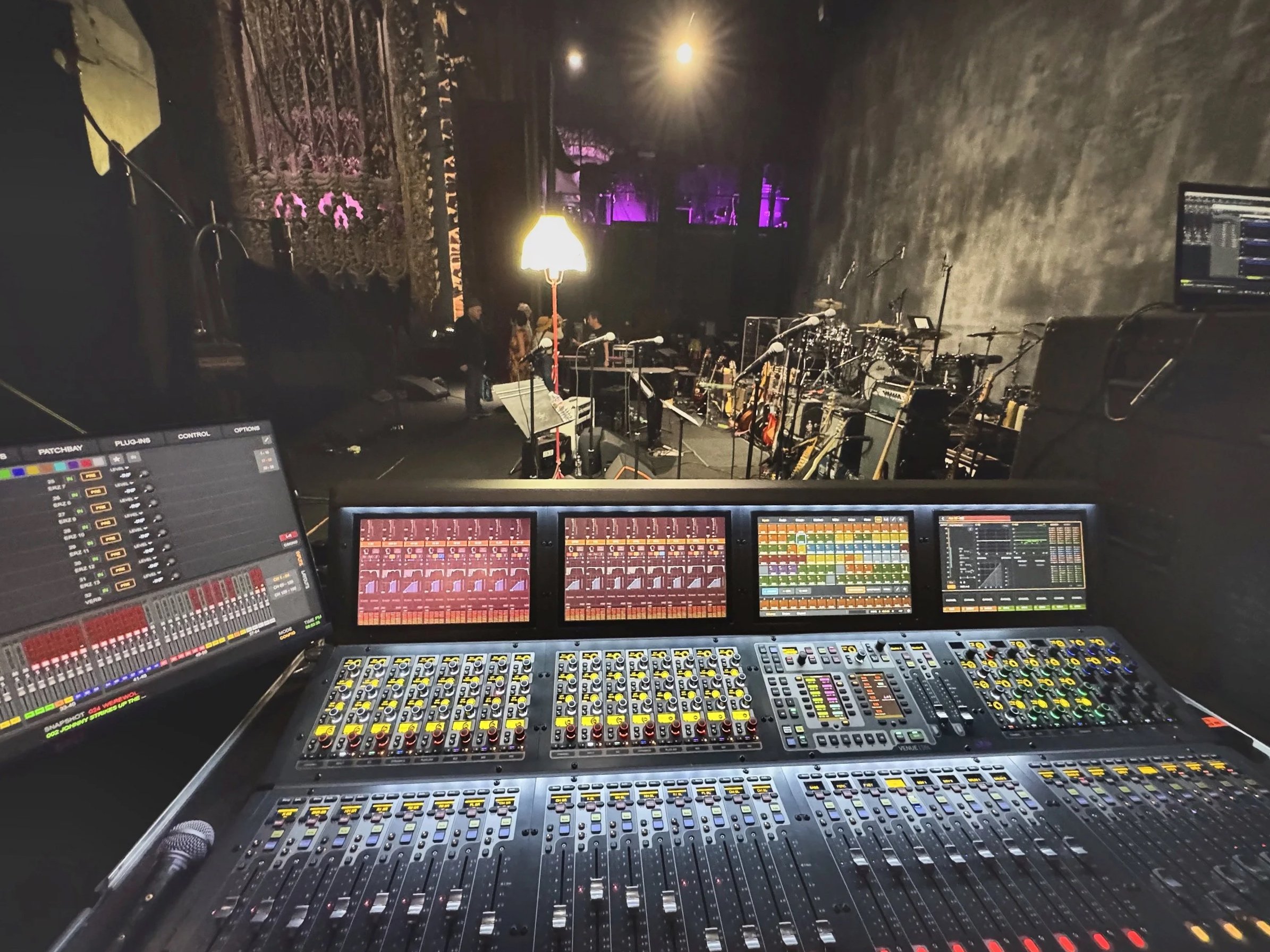
Tell us about the room. We'll tell you what it needs.
Venue, seat count, what's already installed, and what you're producing. You'll hear back with a line-by-line scope — usually same day.